Donald Thomas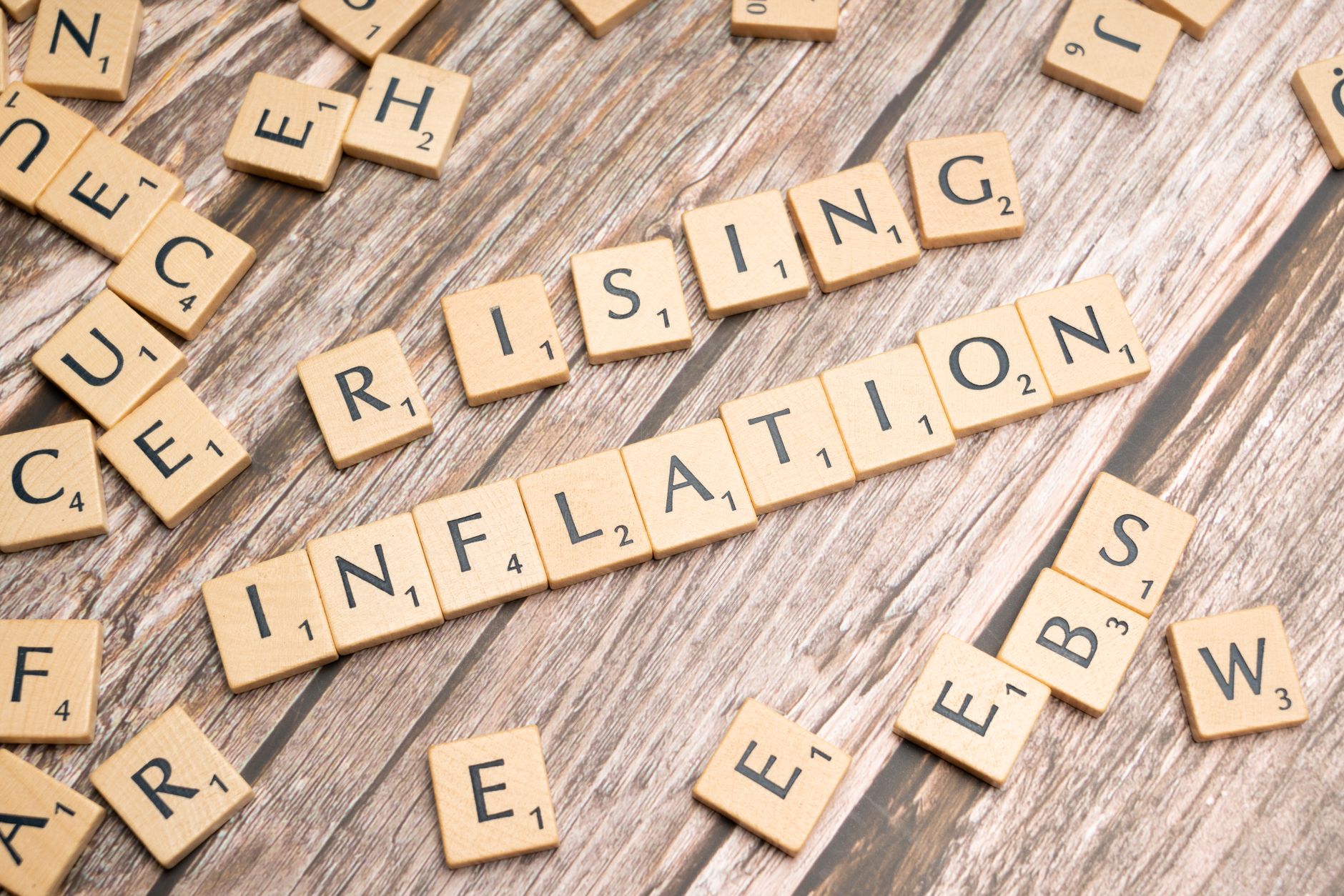
Fed rate hike predictions are causing concern among investors. Historical data suggests that such increases often lead to negative market reactions, at least in the short term.
Understanding the Fed Rate Hike
The Federal Reserve’s decision to implement a rate hike is often met with mixed reactions from the markets. A Fed rate hike occurs when the central bank raises the interest rates, which can have a profound effect on various sectors of the economy. Understanding this mechanism is crucial for investors and market participants alike.
Typically, a Fed rate hike is aimed at curbing inflation and stabilizing economic growth. However, history shows that these increases can lead to short-term turmoil in the stock market. According to analysis, the initial aftermath of a rate hike often reveals a negative trend in equity prices.
- Investor Sentiment: Higher rates can dampen investor sentiment as borrowing costs increase.
- Sector Performance: Certain sectors, like technology and real estate, may face greater pressure compared to others.
- Market Volatility: Increased uncertainty often leads to heightened market volatility in the days following a rate change.
In conclusion, while the long-term effects of a Fed rate hike may stabilize the economy, the immediate impact on market performance can be challenging for investors to navigate.
Historical Market Reactions to Rate Increases
Historical data shows that the impact of a Fed rate hike on financial markets can be significant and often negative in the short term. Over the past three decades, the stock market has typically reacted unfavorably immediately following an increase in interest rates.
Key observations from previous rate hikes include:
- Initial Declines: On many occasions, the stock market has experienced sharp declines right after a rate hike announcement, as investors react to the potential for reduced economic growth.
- Delayed Recovery: Although markets may recover over the long term, initial reactions often reflect uncertainty, causing volatility in stock prices.
- Sector Variations: Different sectors respond differently to rate hikes; typically, financial stocks may benefit, while utilities and consumer goods sectors tend to suffer initially.
- Market Sentiment: Investor sentiment plays a crucial role, with many choosing to sell off securities in anticipation of a slowdown in economic activity.
As the market braces for a potential Fed rate hike, history suggests that investors should be prepared for turbulence, at least in the immediate aftermath of the decision.
Fed Rate Hike: What Investors Should Know
The upcoming Fed rate hike has left investors on edge as they brace for potential market volatility. With speculation surrounding the Federal Reserve’s next move, it is crucial for investors to understand the implications of such a decision on their portfolios.
Historically, rate hikes have often led to short-term market declines, as higher borrowing costs can dampen consumer spending and corporate profits. Here are some key points that investors should consider:
- Market Sentiment: Investor confidence can wane following a rate increase, leading to a sell-off in stocks, particularly in sectors sensitive to interest rates, such as technology and real estate.
- Long-term Effects: While initial reactions may be negative, the long-term impact can vary. Some sectors may rebound as the economy adjusts to the new rates.
- Diversification: A well-diversified portfolio can help mitigate risks associated with a Fed rate hike. Investors should consider reallocating assets to hedge against potential downturns.
- Stay Informed: Keeping a close watch on economic indicators and Fed communications can provide insights into future rate decisions and market trends.
Being prepared and informed is essential as markets navigate the uncertain waters of changing interest rates.
Economic Implications of Higher Interest Rates
The recent discussions surrounding a potential Fed rate hike have raised significant concerns among economists and investors alike. Higher interest rates can lead to a variety of economic implications that may affect different sectors of the market.
One of the most immediate impacts of increased rates is the cost of borrowing. As interest rates rise, loans for both consumers and businesses become more expensive. This can lead to:
- Reduced consumer spending: Higher rates may discourage individuals from taking out loans for big-ticket items, such as homes and cars, which can slow down economic growth.
- Stressed business investment: Companies may delay or scale back on capital expenditures, hindering expansion and innovation.
- Increased market volatility: The stock market often reacts negatively to initial rate hikes, leading to fluctuations that can unsettle investors.
Additionally, sectors like real estate and utilities, which rely heavily on borrowing, may experience slower growth due to higher financing costs. Investors should remain vigilant, as these shifts in the economic landscape can create both challenges and opportunities in the wake of a Fed rate hike.
Expert Opinions on Future Market Trends
As analysts anticipate a potential Fed rate hike, experts are weighing in on future market trends and the likely ramifications for investors. Many believe that the immediate aftermath of a rate increase could spell trouble for equities, echoing historical patterns seen during previous hikes.
According to financial strategist Jane Smith, “The Fed rate hike is often a double-edged sword. While higher rates can signal a strengthening economy, they can also dampen market enthusiasm, at least in the short term.” Smith emphasizes the importance of understanding past reactions, stating that “investors should prepare for heightened volatility as markets adjust to new interest rate environments.”
Conversely, John Doe, a renowned economist, suggests that “historically, markets tend to find their footing within a few months post-hike. This means that savvy investors could capitalize on temporary dips.” Doe advises focusing on sectors that typically outperform during periods of rising rates, such as financial services and utilities.
Ultimately, experts agree that while the Fed rate hike may initially unsettle the markets, long-term strategies centered on diversification and resilience will be key for investors navigating these turbulent waters.
Photo by Markus Winkler on Pexels